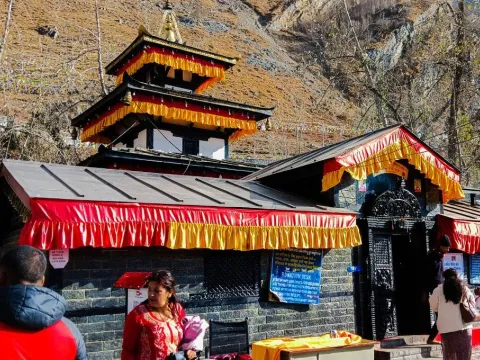
Muktinath Yatra is one of the most revered pilgrimages for both Hindus and Buddhists, and it attracts thousands of devotees from Nepal, India, and across the world. Moreover, it is cherished not only for its religious significance but also for its breathtaking Himalayan surroundings.Situated at an altitude of 3,710 meters in Mustang, Nepal, the Muktinath Temple is dedicated to Lord Vishnu and is believed to be a gateway to moksha (salvation). In addition, the site holds equal importance for Buddhists, who associate it with Guru Rinpoche (Padmasambhava).The temple is especially famous for:108 holy water spouts (Muktidhara) – where pilgrims bathe to cleanse their sins.Eternal flame (Jwala Mai) – a natural gas flame burning alongside a water spring, symbolizing the harmony of fire and water.A Blend of Spirituality and Natural BeautyBeyond its spiritual importance, Muktinath offers panoramic views of the Annapurna and Dhaulagiri ranges. Therefore, pilgrims often find the journey to be both a sacred experience and a Himalayan adventure. Furthermore, the route itself passes through picturesque landscapes, traditional villages, and rhododendron forests, enriching the entire pilgrimage.How to Reach MuktinathPilgrims can reach the temple through different means, depending on their preferences and time:By Road: Travel from Pokhara via Jomsom.By Air: Take a short flight from Pokhara to Jomsom, followed by a drive.By Helicopter: Choose luxury helicopter services from Kathmandu or Pokhara for a quicker and more comfortable journey.Consequently, the journey can be tailored for both adventure seekers and those seeking convenience.Best Time to Visit MuktinathThe pilgrimage is most comfortable during spring and autumn, when the weather is clear and pleasant.Spring (March–June):This is the most popular season for pilgrims.Additionally, the weather is moderate, skies are mostly clear, and rhododendron forests bloom beautifully.Autumn (September–November):After the monsoon, the air is fresh and crisp.Moreover, visibility is excellent for photography and trekking.Cultural festivals during this season also enhance the spiritual atmosphere.Winter (December–February): Harsh cold and heavy snowfall make travel difficult.Monsoon (July–August): Frequent landslides and slippery trails pose risks.Tip for Pilgrims: Regardless of the season, always carry warm clothing, stay well-hydrated, and allow time for acclimatization to avoid altitude sickness.Duration of YatraA typical Muktinath Yatra lasts 3–5 days, depending on the chosen route. Usually, packages include guided tours, accommodation, meals, and transportation.
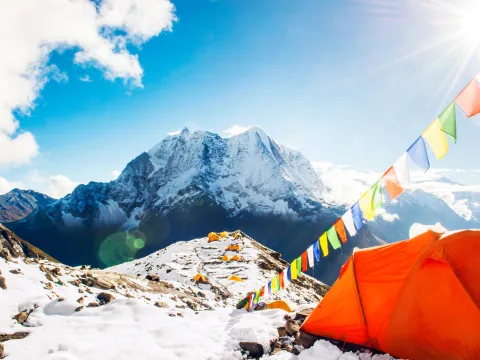
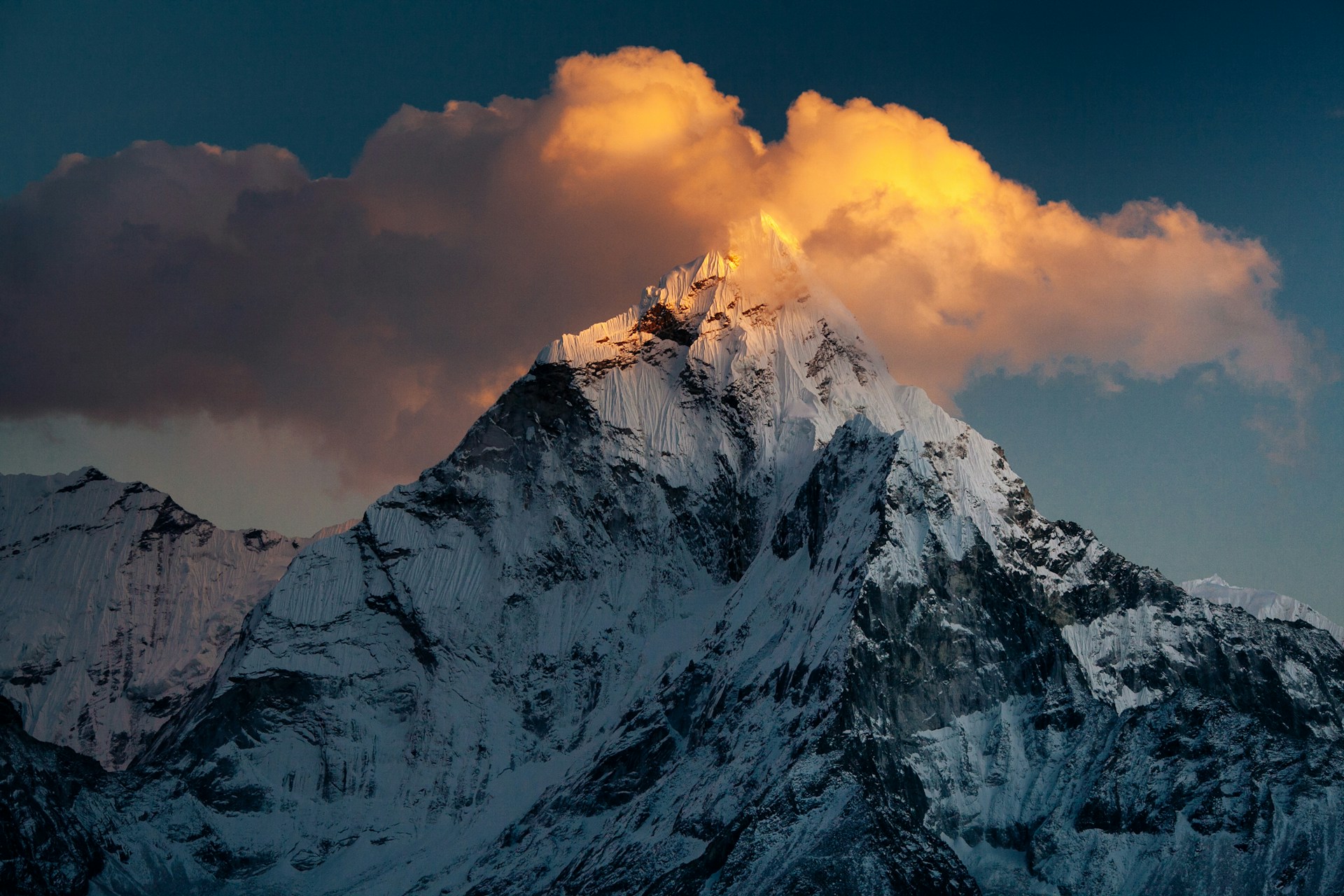
Experience the breathtaking beauty of the Everest region without the strenuous challenge of a high-altitude expedition. The Everest Panorama Trek is a perfect choice for travelers seeking stunning Himalayan views, rich Sherpa culture, and peaceful trails—without the physical demands of reaching Everest Base Camp or Gokyo.This short and rewarding trek offers close-up panoramas of iconic Himalayan peaks, including Mount Everest (8,848m), Lhotse, Ama Dablam, Thamserku, and Nuptse, while keeping the maximum altitude under 4,000m. Ideal for beginners, families, and cultural explorers, the Everest Panorama Trek blends mountain scenery with authentic Sherpa heritage and Tibetan Buddhist traditions.What to Expect on the Everest Panorama TrekYour adventure begins with a scenic flight to Tenzing-Hillary Airport in Lukla, one of the world’s most thrilling mountain airstrips. From Lukla, the journey follows the Dudh Koshi River Valley, passing through charming Sherpa villages such as Phakding, Monjo, and Jorsale.Reaching Namche Bazaar, the bustling Sherpa capital, you’ll find cozy lodges, bakeries, cafes, and markets. An extra day here allows you to acclimatize and explore highlights like:A hike to the world-famous Hotel Everest View, offering spectacular panoramas of Everest, Ama Dablam, and surrounding peaks.Visits to local museums and galleries, showcasing Sherpa history and the first Everest expeditions.The trail continues to Tengboche, home to the sacred Tengboche Monastery (Gompa), the largest in the Khumbu region. With a backdrop of majestic peaks, prayer flags, and Buddhist chortens, this spiritual site offers a unique cultural and scenic experience. Keep an eye out for rare Himalayan wildlife, including musk deer, Himalayan Tahr, and colorful monals.On the return journey, you’ll pass through the historic Sherpa villages of Khumjung and Kunde, where Sir Edmund Hillary established schools and health centers. Khumjung Monastery even houses the legendary “Yeti scalp,” adding a mystical touch to your adventure.Finally, retrace your steps back to Lukla for the flight to Kathmandu, completing your unforgettable Himalayan journey.Who is the Everest Panorama Trek For?First-time trekkers in Nepal – A beginner-friendly introduction to the Everest region.Families & cultural travelers – Gentle trails with rewarding cultural immersion.Nature & photography lovers – Perfect for capturing Everest views without extreme trekking.Trekkers avoiding high altitude risks – Maximum elevation under 4,000m ensures a safer experience.Why Choose Mission Nepal Holidays for Your Everest Panorama Trek?At Mission Nepal Holidays, we specialize in creating safe, comfortable, and memorable trekking experiences. With expert guides, personalized itineraries, and responsible tourism practices, we ensure you enjoy the best of the Everest region at your own pace.
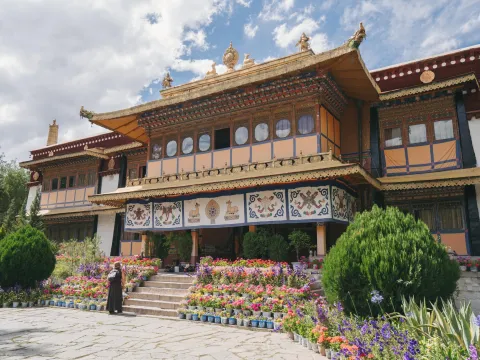
The Kathmandu to Lasha Tour transports you on an amazing land voyage from Tibet’s capital, Lhasa, to Nepal’s capital, Kathmandu. You can see historic palaces, temples, Buddhist monasteries, and UNESCO World Heritage Sites in just ten days.You will gain insight into the nomadic lifestyle and culture of the Tibetan people during your journey across the breathtaking Tibetan landscape. Driving up towards the Nepal border offers you amazing views of Mount Everest, Shisapangma, Makalu, and Cho Oyu, four 8000-meter peaks.See the historical and cultural sites of Kathmandu to kick off your journey. You can get from Kathmandu to Lhasa by plane, which flies across the magnificent Himalayan range. You will get the opportunity to tour Norbulingka and Potala Palace, the Dalai Lama’s spectacular summer and winter palaces, once you arrive in Lhasa. We’ll take you for a stroll around the bustling Barkhor Market and Tibet’s oldest Buddhist temple, the Jokhang Temple. You can interact with the monks and see their animated discussions at the Drepung and Sera Monasteries.You start your overland journey from Lhasa and travel via the breathtaking Yamdrok Tso Lake on your way to Shigatse. You make a detour in Gyantse along the way to see the Pelkor Choede Monastery and the Gyantse Kumbum, two places of cultural significance.Tibet’s second-biggest city is Shigatse. We accompany you to the Panchen Lama’s residence, the hallowed Tashilhunpo Monastery. The Panchen Lama is the second most influential spiritual guide for Tibetans, after the Dalai Lama. After a brief stop at the neighborhood market, you resume traveling down the Friendship Highway.Shegar is the next station on your overland journey after Shigatse. You pass through Lhatse and the steep Gyamtso La mountain pass on your way. Savor the vistas of the Himalayan ranges and the glacier. On the barren highland, one may observe nomadic yak herders managing their animals. Magnificent vistas of Makalu, Shisapangma, Cho Oyu, Everest, and other Tibetan peaks captivate you as well.Reaching Zhangmu, the border town, requires an exhilarating traversal of two mountain passes, Lalung La and Shung La. You spend the night at Zhangmu before driving into Nepal and Kathmandu, the last destination of your journey.The seasons of spring, summer, and autumn are ideal for the Lhasa to Kathmandu Tour. In Tibet, winter travel is almost impossible due to the heavy snowfall. This journey, which lasts for just ten days, is perfect for people who wish to see Tibet and Nepal quickly.The trip from Lhasa to Kathmandu is simple by plane and car. The walking tours of the attractions will take place. All of the locations have reasonably easy walking on level ground, with the exception of Potala Palace’s lengthy staircase ascent.The only thing that worries me is Tibet’s high altitude. Over 5,000 meters of high mountain passes will be traversed by you while driving. Those with heart, lung, or knee issues might not want to go on this excursion. On most days, you’ll spend five to seven hours per day at a high altitude sitting in a car. Because of this, we advise you to speak with your doctor before making travel plans.Overall, the Lhasa to Kathmandu Tour is a fantastic road trip that combines adventure and a taste of Himalayan culture. Because of the severe weather and stringent rules, not many individuals are able to travel to the Tibetan highlands. Encountering the ‘Roof of the World’ on a ride is a noteworthy accomplishment in and of itself. Take a chance and reserve a trip to Tibet, known as the “Roof of the World”!
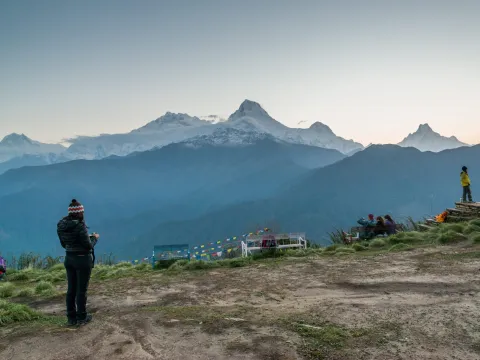
Take your loved ones on an enchanting trip through the Annapurna Region to Ghorepani and Poon Hill, where easy routes lead to breathtaking views of the natural world. This kid-friendly trekking path is designed to foster intergenerational (all age groups) bonding in the gorgeous surroundings, all the while our team makes sure your family is comfortable and safe.Imagine this: Every step feels exciting and new as you meander through a deep, rich forest of rhododendron. As you walk along the crystal-clear streams that echo mystery, get ready to be mesmerized by the breathtaking mountains bathed in the golden glow of the sunrise as you ascend to the Poon Hill viewpoint.It’s not just about the landscape; it’s also about engaging with the community and amiable locals. You will come across locals who will warm your heart with their generosity and kindness along the route.“But is this hike good for my family?” you may be wondering now. Of course! This trip is suitable for hikers of all ages, including families with elderly members, children, and groups of friends due to its moderate terrain and reachable elevation. Every step of the journey will be enjoyable for you, regardless of your level of hiking experience or level of tourism.So, assemble your closest friends and family, pack your bags, and let’s go! Let’s make sure you capture this amazing moment with your children and special someone for a lifetime. Prepare yourself for an amazing experience with Nepal Hiking Team as you embark on the Ghorepani Poon Hill Family Trek. Together, let’s work some magic in the heart of the Himalayas!
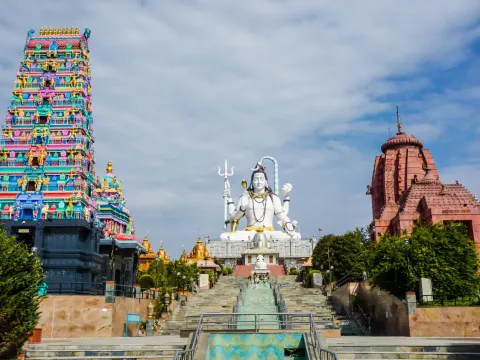
Nestled among the towering peaks of the Himalayas in Uttarakhand, Charadham is the name of the four well-known sacred sites for Hindu pilgrims. The four locations that make up the Chardham circuit are Yamunotri, Gangotri, Kedarnath, and Badrinath. Every Hindu’s greatest wish is to visit the sacred sites at least once in their lives in order to find salvation (Moksha). The Chardham Yatra was started by the renowned Hindu reformer and philosopher Adi Shankaracharya in an effort to bring the Hindu faith back to life. Four other holy rivers are likewise marked by these Chardhams: the Yamuna (Yamunotri), the Ganga or Ganges (Gangotri), the Mandakini (Kedarnath), and the Alaknanda (Badrinath).
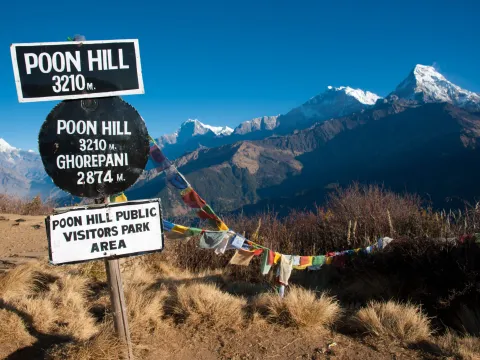
An intriguing and well-known trek for those who enjoy the outdoors is the Ghorepani Poon Hill Trek in the Annapurna region. The trail meanders through valleys, verdant forests, and frigid waterfalls, providing opportunities for face-cooling breaks. There are tempting glimpses of the high mountains around every bend, and as you approach the highest points of your walk, entire vistas will open out before you.For the breathtaking view of Machhapuchhare (Fish Tail), Annapurna I, II, III, IV, Hiunchuli, Tukuche Peak, Lamjung Himal Gangapurna, and other peaks that stretch to Manaslu in the east and Dhaulagiri in the west.Nature lovers and those who appreciate stunning scenery will always remember their journey up Ghorepani Poonhill. Trekkers may take in breathtaking views of the Himalayas, a deep forest, and a charming village in Nepal via this route.The finest trekking in Nepal can be found on this hike across the Annapurna foothills to the Poon Hill viewpoint. Enjoy trekking in the breathtaking alpine scenery, which includes deep sub-tropical valleys, bird-filled rhododendron forests, charming villages home to Gurungs, Magars, and other mixed communities, and all situated beneath the Annapurna range with the stunning peak of Machhapuchhare, also known as Fishtail, dominating the skyline. You will ascend Poon Hill at dawn at the end of this walk to witness one of the most breathtaking mountains on Earth.