Need help with booking? Send us a message.
Muktinath Yatra is one of the most revered pilgrimages for both Hindus and Buddhists, and it attracts thousands of devotees from Nepal, India, and across the world. Moreover, it is cherished not only for its religious significance but also for its breathtaking Himalayan surroundings.
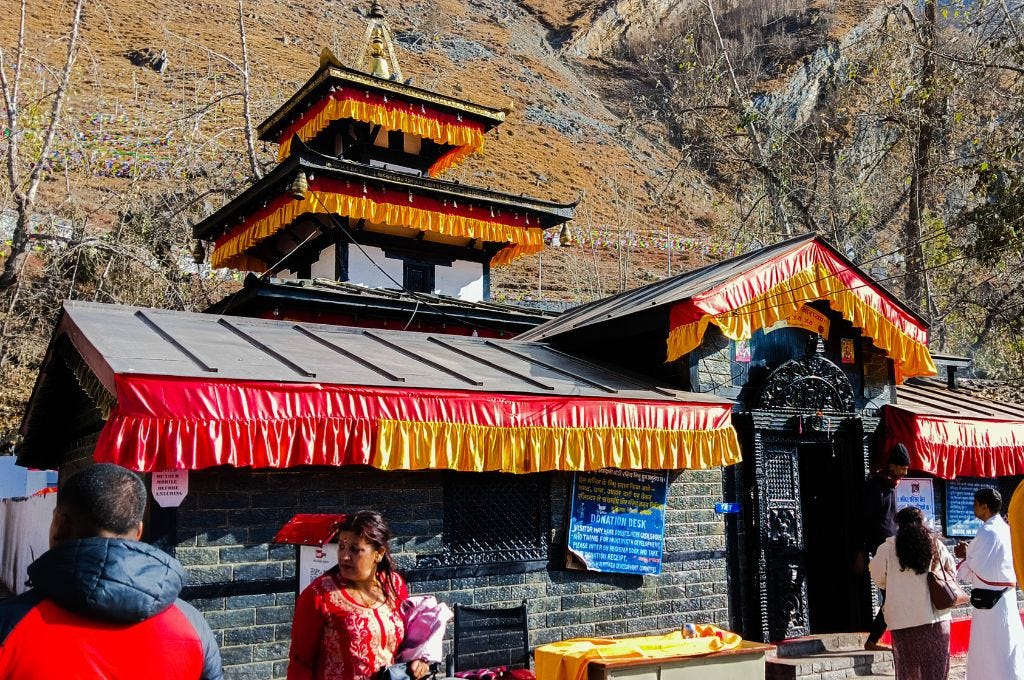
Situated at an altitude of 3,710 meters in Mustang, Nepal, the Muktinath Temple is dedicated to Lord Vishnu and is believed to be a gateway to moksha (salvation). In addition, the site holds equal importance for Buddhists, who associate it with Guru Rinpoche (Padmasambhava).
The temple is especially famous for:
108 holy water spouts (Muktidhara) – where pilgrims bathe to cleanse their sins.
Eternal flame (Jwala Mai) – a natural gas flame burning alongside a water spring, symbolizing the harmony of fire and water.
A Blend of Spirituality and Natural Beauty
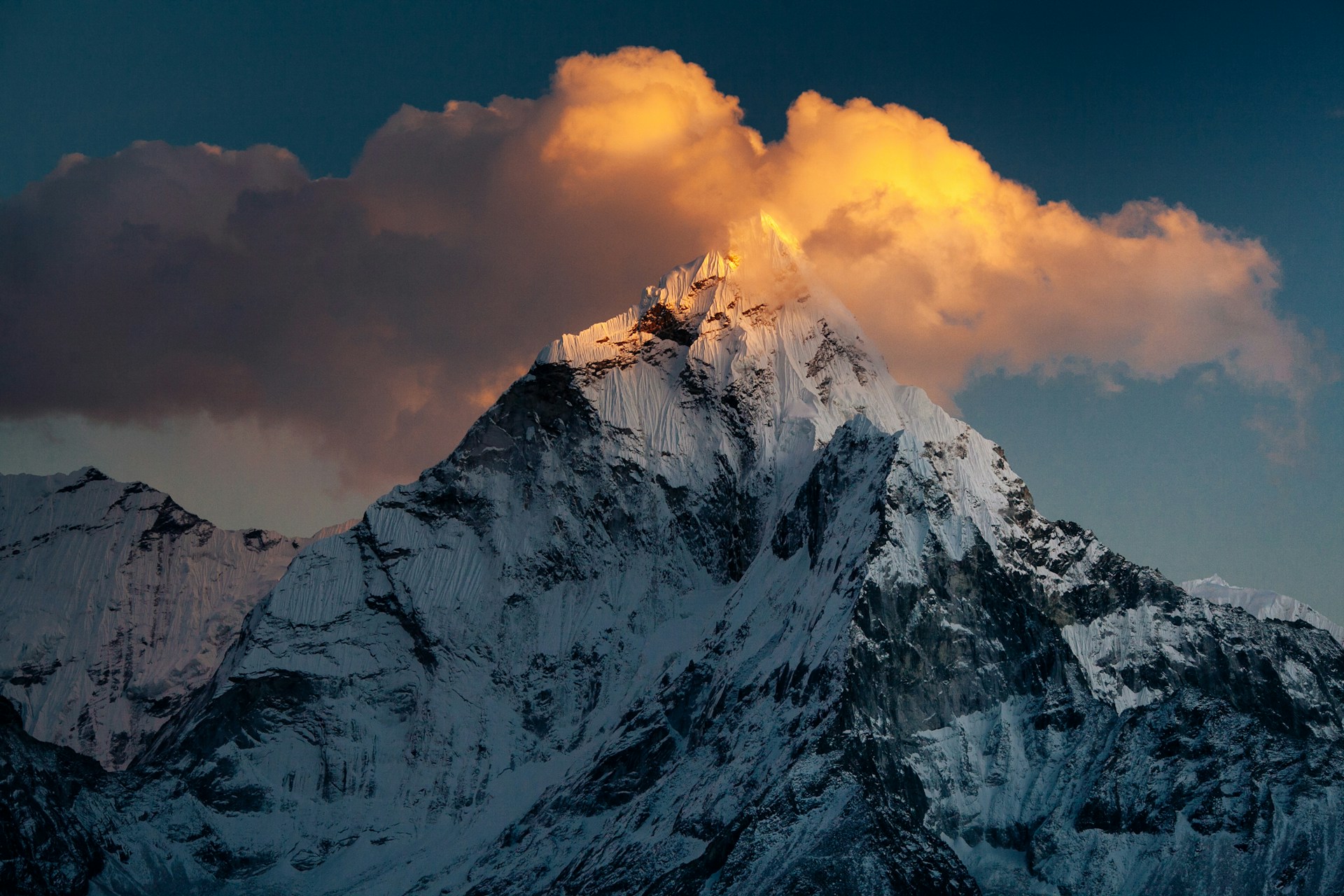
Beyond its spiritual importance, Muktinath offers panoramic views of the Annapurna and Dhaulagiri ranges. Therefore, pilgrims often find the journey to be both a sacred experience and a Himalayan adventure. Furthermore, the route itself passes through picturesque landscapes, traditional villages, and rhododendron forests, enriching the entire pilgrimage.
How to Reach Muktinath
Pilgrims can reach the temple through different means, depending on their preferences and time:
By Road: Travel from Pokhara via Jomsom.
By Air: Take a short flight from Pokhara to Jomsom, followed by a drive.
By Helicopter: Choose luxury helicopter services from Kathmandu or Pokhara for a quicker and more comfortable journey.
Consequently, the journey can be tailored for both adventure seekers and those seeking convenience.
Best Time to Visit Muktinath
The pilgrimage is most comfortable during spring and autumn, when the weather is clear and pleasant.
Spring (March–June):
This is the most popular season for pilgrims.
Additionally, the weather is moderate, skies are mostly clear, and rhododendron forests bloom beautifully.
Autumn (September–November):
After the monsoon, the air is fresh and crisp.
Moreover, visibility is excellent for photography and trekking.
Cultural festivals during this season also enhance the spiritual atmosphere.
Winter (December–February): Harsh cold and heavy snowfall make travel difficult.
Monsoon (July–August): Frequent landslides and slippery trails pose risks.
Tip for Pilgrims: Regardless of the season, always carry warm clothing, stay well-hydrated, and allow time for acclimatization to avoid altitude sickness.
Duration of Yatra
A typical Muktinath Yatra lasts 3–5 days, depending on the chosen route. Usually, packages include guided tours, accommodation, meals, and transportation.
Arrive at Tribhuvan International Airport, Kathmandu, and meet your tour representative. Transfer to your hotel and relax after your flight. Depending on your arrival time, enjoy a leisurely evening walk or dine at a local restaurant. Overnight stay in Kathmandu.
After breakfast, enjoy a full-day sightseeing tour of Kathmandu’s cultural landmarks. Visit the Pashupatinath Temple, a UNESCO World Heritage Site and one of the holiest Hindu temples. Continue to Boudhanath Stupa, one of the largest Buddhist stupas in the world, and Swayambhunath Stupa (Monkey Temple) for panoramic views of the Kathmandu valley. Explore Durbar Square, known for its ancient palaces, temples, and local markets. Overnight stay in Kathmandu.
Highlights: Pashupatinath Temple, Boudhanath Stupa, Swayambhunath Stupa, Durbar Square.
Travel from Kathmandu to Pokhara, either by scenic flight (25 minutes) or road (6–7 hours). Check into your hotel on arrival and relax. Spend the evening at Phewa Lake, enjoying a boat ride or exploring the lakeside market. Overnight stay in Pokhara.
Highlights: Scenic flight/road trip, Phewa Lake, Pokhara sunset.
Explore Pokhara’s natural and cultural attractions with a full-day tour. Visit Sarangkot early in the morning for a sunrise view of the Annapurna and Dhaulagiri ranges. Then visit Pumdikot, a hilltop spot offering panoramic Himalayan views, ideal for photography and short treks. Explore Davis Falls, Gupteshwor Cave, Bindhyabasini Temple, and enjoy a leisurely lunch by Phewa Lake. Overnight stay in Pokhara.
Highlights: Sarangkot sunrise, Pumdikot panoramic views, Davis Falls, Gupteshwor Cave, Bindhyabasini Temple.
Take a morning flight from Pokhara to Jomsom (or drive via Beni for a road adventure). From Jomsom, continue by jeep or guided trek to Muktinath, enjoying breathtaking views of Dhaulagiri and Nilgiri ranges along the way. Check into your lodge in Muktinath for an overnight stay.
Highlights: Mustang region, Himalayan landscapes, adventurous jeep/trek journey.
Visit the Muktinath Temple, take a ritual bath at the 108 holy water spouts, and witness the eternal flame (Jwala Mai). Explore the Muktinath Gompa (Buddhist monastery) and nearby natural springs. Overnight stay in Muktinath.
Highlights: Spiritual rituals, temple darshan, Hindu-Buddhist harmony, Himalayan serenity.
Return from Muktinath to Jomsom, stopping at Kagbeni and Marpha villages to experience traditional Tibetan culture, architecture, and apple orchards. Overnight stay in Jomsom.
Highlights: Local culture, photography, Himalayan villages, traditional foods.
Take a flight or jeep ride back to Pokhara, enjoying the last glimpses of Annapurna and Dhaulagiri ranges. Spend the evening relaxing, shopping, or enjoying lakeside leisure activities. Overnight stay in Pokhara.
Highlights: Scenic return journey, leisure, shopping, Pokhara lakeside.
Return to Kathmandu via flight or road. Upon arrival, check into your hotel and relax. If time permits, enjoy last-minute sightseeing, shopping, or a cultural show in the evening. Overnight stay in Kathmandu.
Highlights: Return to Kathmandu, leisure, optional sightseeing or shopping, hotel stay.
After breakfast, transfer to Tribhuvan International Airport for your onward flight. This marks the conclusion of your 10-day Muktinath Yatra, leaving you with spiritual memories and Himalayan experiences to cherish.
Highlights: Airport transfer, end of pilgrimage, final departure.
The Jomsom Muktinath Trek is considered moderate to challenging. It involves trekking at high altitudes, with the highest point being around 3,710 meters (12,172 feet) at Muktinath. The trek includes ascents, descents, and varying terrain, requiring good physical fitness and acclimatization.
There are no formal age restrictions, but trekkers of all ages should be in good health and capable of handling the trek’s demands. For children and elderly individuals, it’s important to ensure they are fit for the trek.
Yes, trekking with young children is possible but requires careful planning. Ensure they are comfortable with trekking conditions, adjust the pace as needed, and carry necessary supplies and gear.
Ensure you have travel insurance that covers high-altitude trekking and emergency evacuation. Familiarize yourself with the nearest medical facilities and emergency procedures.
The best times to trek are during the pre-monsoon (March to May) and post-monsoon (September to November) seasons. These periods offer clear skies, stable weather, and excellent views of the Himalayan peaks.