Need help with booking? Send us a message.
Would you like to discover this undiscovered treasure in the Langtang area? The Helambu Trek is exactly what you need, then. Trekkers looking for genuine cultural encounters off the beaten path can find great value in this lesser-known route that weaves through the hills of the Langtang Valley.
Enjoy a peaceful trek while taking in the breathtaking scenery of Helambu’s natural setting, which hasn’t lost any of its picturesque splendor. Since the beginning of time, the culture in this area has also been preserved.
This nine-day adventure, which begins just one hour from Kathmandu, is among the shorter treks in the Langtang area. Additionally, the Hyolmo people, an ethnic group connected to Sherpa culture, call it home. The Langtang wilderness awaits you throughout the journey, and it will undoubtedly astound you.
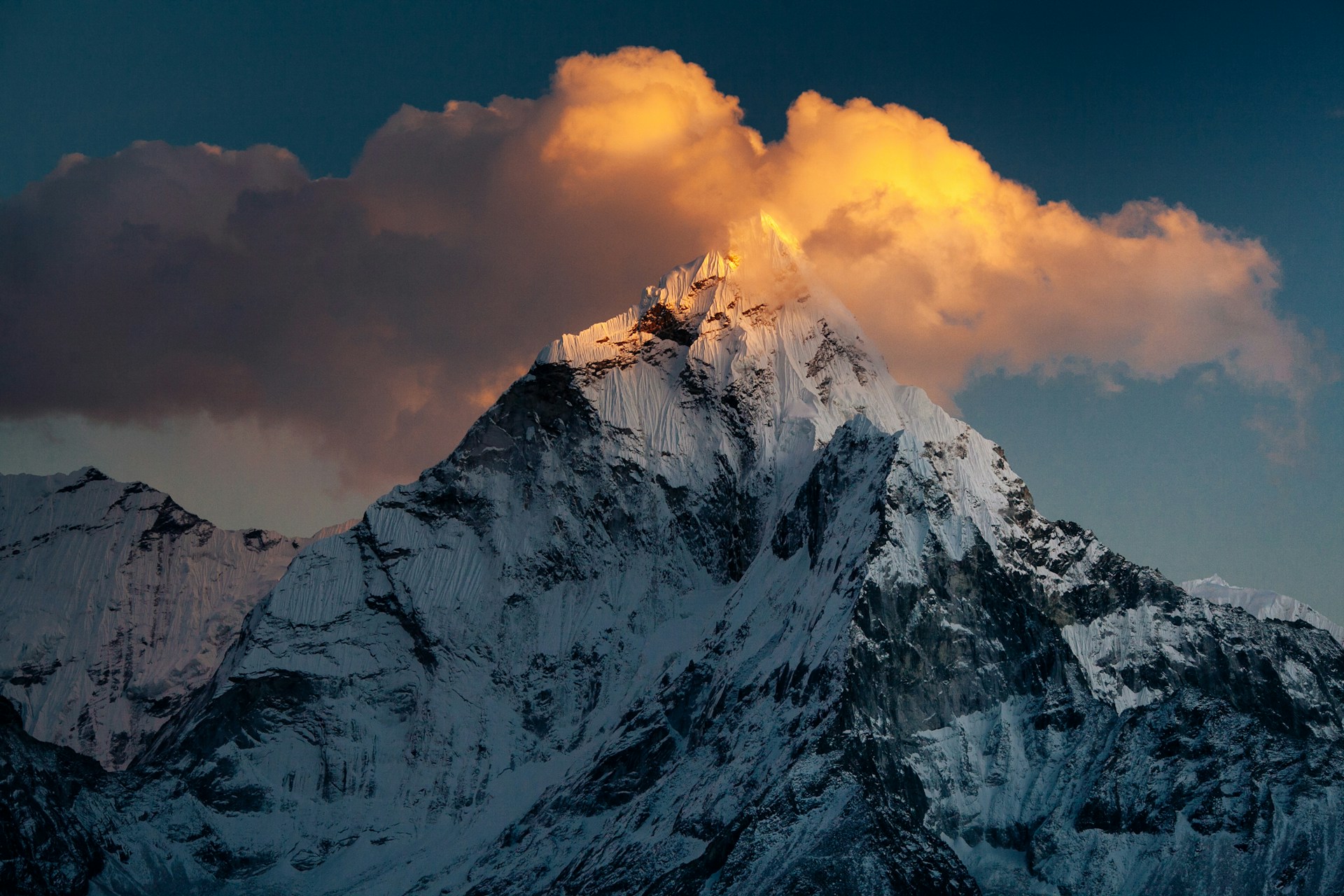
You will traverse the high mountain passes as you continue on your trek. You will be rewarded with breath-taking vistas of Dorje Lhakpa, Gaurishankar, and numerous other Himalayan behemoths when reaching these high passes. Plus, seeing a few Buddhist monasteries along the way will make your hike even more blissful.
In summary, this less traveled route will allow you to quickly take in the greatest aspects of the nation’s natural beauty and culture.
One of the friendly representatives from Nepal Hiking Team will meet you at the Tribhuvan International Airport in Kathmandu. After being driven to your hotel in the city, you’ll check in and have time to go over your forthcoming trekking itinerary. There are no more scheduled activities for the day after any unanswered queries you may have.
You could wish to spend the evening dining or shopping in the tourist markets close to your accommodation, if you aren’t too exhausted from the travel. You’ll have plenty of time tomorrow to tour the city, so there’s no need to rush. Here, in Nepal’s most famous city, Kathmandu, you will spend the night.
An overview of Kathmandu’s most significant religious buildings and pilgrimage sites starts your day. These vibrant temples, many of which are UNESCO World Heritage sites, are where you may witness Hindus and Buddhists worshiping side by side. For good reason, the majority of travelers rank the twin stupas of Swayambhunath and Boudhanath top.
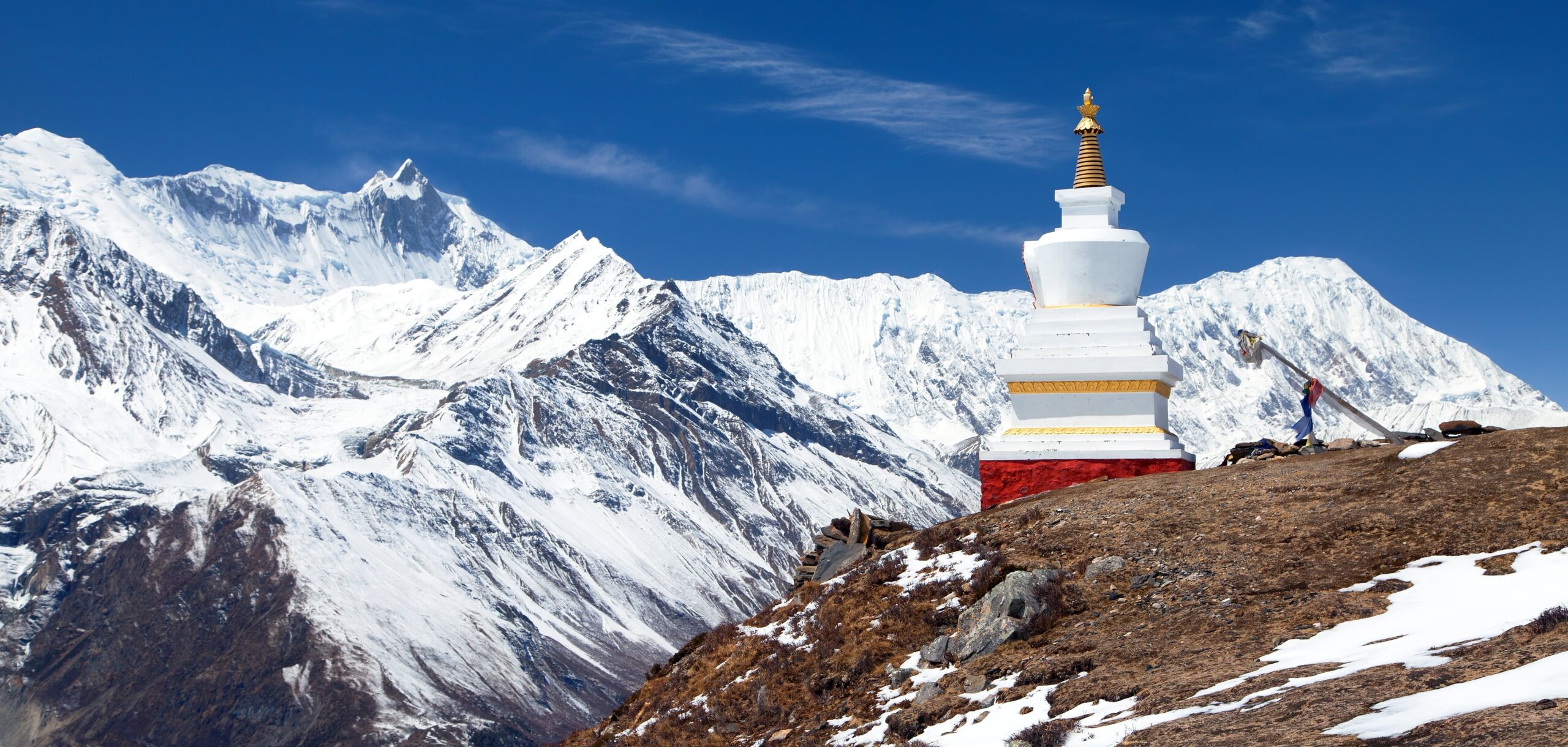
Huge whitewashed domes adorned with Buddha’s eyes, prayer flags, and innumerable processions of the faithful have visited them. The ancient palaces at Kathmandu Durbar Square and the Hindu temple complex known as Pashupatinath are well worth seeing. Make sure to spend some time in the popular tourist district of Thamel shopping for hiking gear and souvenirs when your tour is over.
You’ll spend a second night back at your hotel after dinner. Rest up, for tomorrow is the start of the Helambu Trek! Breakfast for today is included.
You will leave your accommodation this morning and travel by private vehicle to the town of Sundarijal after strengthening yourself with a substantial breakfast. It’s an hour-long road that is practically continuous with Kathmandu. From Sundarijal, where your route climbs sharply close to a small hydropower plant, it’s completely on foot. The Shivapuri Nagarjun National Park, a legally designated wildlife reserve and watershed, is drawing near. You’ll be astounded at how rapidly you find yourself encircled by verdant foliage and rural pastures as you depart from Kathmandu’s metropolitan setting.
The first community we’ll encounter is named Mulkharka; day hikers looking to spend an afternoon away from the city frequently visit the town, which is primarily home to Tamang people. Nature enthusiasts will also enjoy the small streams that trickle between the massive boulders in this area. After going past Mulkharka, the trail will take you along an oak and rhododendron-covered ridge. It will take you approximately four hours to reach Chisapani.
Here, you’ll spend the night in cozy guesthouse accommodations, which include breakfast, lunch, and dinner today.
Get up early to witness the dawn; from Chisapani, on a clear day, you may see a stunning view of the Langtang Himal range. We will set out on the trek to Kutumsang after breakfast. Today’s journey should take us roughly seven hours, as we drop and pass through picturesque fields and meadows as we get closer to the little settlements of Pathi Bhanjyang and Gul Bhanjyang. After there, it’s back to climbing: you’ll go up a ridge to reach the high point of the day, a pass at about 2,620 meters. Look for mani stones—delicately carved stones—along the trail as you stroll.
Passing these engravings on the left is deemed suitable as they depict holy Buddhist chants. Our climb comes to an end when we arrive in Kutumsang, a community with traditionally constructed homes and misted hillsides. From here, you can get amazing views of the pyramidal top of Dorje Lhakpa.
You will spend the night in a guesthouse in Kutumsang, and breakfast, lunch, and dinner are included today.
This morning, after breakfast, you’ll start one of the most enjoyable hiking days of the Helambu Trek. This is the five-hour route to Tharepati, which travels through a forest of fir and rhododendron as it climbs to the Yurin Danda ridge. Admire breathtaking views of the Gosaikunda Pass and the Langtang Himal from this superb vantage point.
Following your photo ops, you’ll progressively descend and pass by an army checkpoint close to the heavily forested area of Magen Goth. Before completing the last rise to Tharepati, here is a great area to stop and enjoy the breathtaking scenery along the trail. You can get a nice view at the far-off peaks of Dorje Lhakpa, Gaurishankar, and several other Himalayan giants on a clear day at Tharepati.
The Helambu region’s two largest settlements will be encountered on today’s hike, which should take you six hours total. You’ll start your lengthy, steep descent to Melamchi Gaon, the first village, after breakfast. This is a large hamlet featuring a vibrant gompa, or monastery, as well as many homes covered in prayer flags and spacious fields with the occasional grazing horse. While some hikers camp here for the night, we’ll go on to Tarkegyang, the main town.
This community, also called Helambu, is approached by the path winding up through sporadic Sherpa communities. In Tarkegyang, you’ll find a number of sizable stupas as well as a significant monastery. This is where the Helambu Trek’s cultural components truly come to life. You will spend the night at a welcoming local hostel. You get your dinner, lunch, and breakfast for today.
Note: You can also make a detour from Tarkegyang to climb Ama Yangri, a nearby mountain, for breathtaking views of the Langtang range. To make this happen, you might need to add a day to your schedule. If you’re interested in this worthwhile add-on, don’t hesitate to contact us.
Today’s simpler trekking may be a welcome change of pace after the previous several days’ high ups and downs. The trail is mostly level and travels through some exceptionally stunning woodland; you should allow yourself four hours to hike to the settlement of Shermathang.
You will go through the smaller towns of Parachin and Gangal along this route; look out for a few noteworthy mani walls and chortens. Before getting a view of the Melamchi Khola river valley to the south, you will also have to cross a few small creeks. Apple orchards, widely spaced houses, and historic monasteries are among of Shermathang’s most renowned features. You will spend the night in a guesthouse here after exploring the town and enjoying the stunning views of the Ganesh Himal and Jugal Himal peaks.
Following a relaxed breakfast in Shermathang, you will start your hike by making your way down via expansive, grassy meadows and rice farms. Approaching Melamchi Pul Bazaar, the Sherpa settlement, you will cross a few bridges and travel through small villages lined with mani walls and chortens.
Trekkers undertaking the Helambu Trek in reverse may stay at one of the several guesthouses in this area. Since Melamchi Pul Bazaar is connected to the road as well, we will now connect with our mode of transportation.
Enjoy your last look at Nepal’s verdant landscape, with its undulating hills and terraced fields, on the journey back to Kathmandu. Once you’re back in the city, take some time to unwind and check back into your hotel—the Helambu Trek has been successfully accomplished!
It’s time to say goodbye to Kathmandu after your trekking journey with Mission Nepal Team has come to an end.
We will return you to Tribhuvan International Airport approximately three hours prior to the departure time of your departing aircraft.
We hope your vacation in Nepal was enjoyable, and we look forward to having you visit us again soon!
The Helambu Trek is considered a moderate trek. It involves moderate elevation gain, with the highest point being around 3,650 meters (12,000 feet) at Tharepati. The trek includes some uphill and downhill sections but is generally accessible for trekkers with average fitness levels.
There are no formal age restrictions, but trekkers of all ages should be in good health and capable of handling the trek’s physical demands. For children and elderly individuals, ensure they are fit for high-altitude trekking.
Ensure you have travel insurance that covers trekking and medical emergencies. Familiarize yourself with the nearest medical facilities and emergency procedures in the region.
Follow Leave No Trace principles: carry out all waste, respect local customs and traditions, and minimize your environmental footprint. Be mindful of the fragile ecosystem and support sustainable tourism practices.
The best times for the Helambu Trek are during the pre-monsoon (March to May) and post-monsoon (September to November) seasons. During these periods, the weather is generally clear, and you’ll have excellent visibility of the Himalayan peaks. Winter and monsoon seasons are less ideal due to cold temperatures and heavy rain, respectively.