
Planning your Kailash Mansarovar Yatra 2027 begins with choosing the right travel season. Since Mount Kailash and Lake Mansarovar are located on the high-altitude Tibetan Plateau, weather conditions can greatly affect your pilgrimage experience.
The Yatra is typically organized from May to September, when roads are accessible, temperatures are relatively mild, and pilgrimage activities are permitted. However, each month offers different weather conditions, crowd levels, and scenery.
In this guide, we’ll explore the best time to visit Kailash Mansarovar in 2027, compare each travel month, and help you choose the ideal departure based on your preferences.
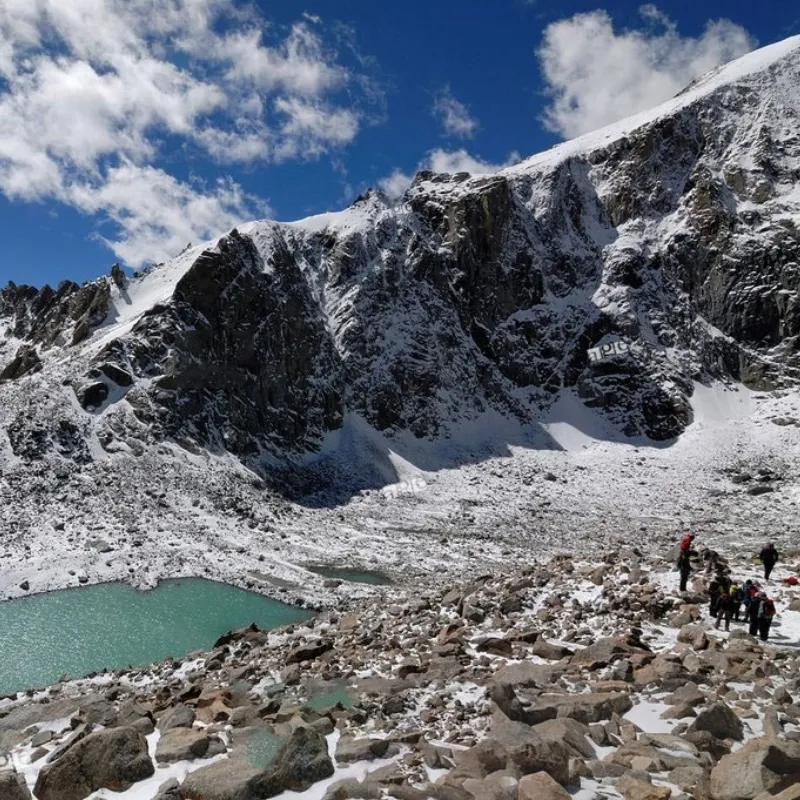
Trekkers crossing the rugged Kora trail near Dolma La Pass on the Mount Kailash pilgrimage route.
The pilgrimage season generally runs from:
Early May to Mid-September 2027
Outside this period, the region experiences harsh winter conditions, heavy snowfall, and road closures, making travel unsafe and impractical.
May marks the start of the Kailash Mansarovar pilgrimage season. Snow begins to melt, roads become accessible, and temperatures gradually rise.
Weather
Advantages
Things to Consider
Some higher passes may still have patches of snow, making warm clothing essential.
Best for: Pilgrims who enjoy peaceful surroundings and cool weather.
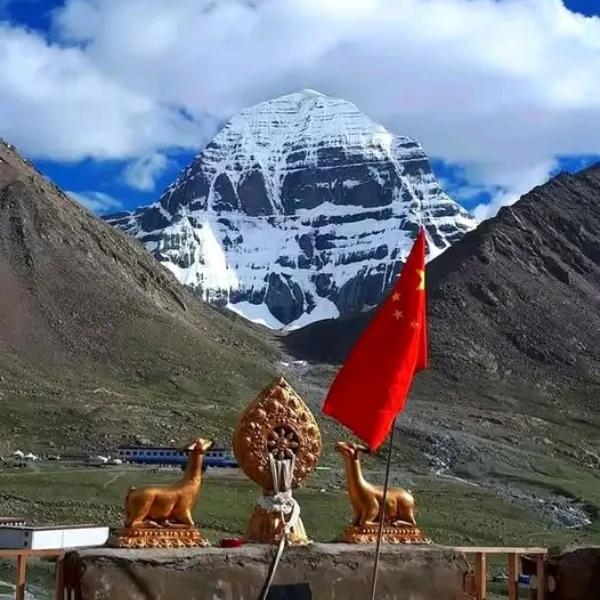
The sacred south face of Mount Kailash rises dramatically above the landscape as seen from DiraPuk Monastery. In the foreground, ritual offerings and prayer flags reflect the deep spiritual significance of this region, a key stop on the Kailash Mansarovar pilgrimage route.
June is widely considered one of the best months for Kailash Mansarovar Yatra.
The weather is stable, skies are generally clear, and roads are in excellent condition.
Weather
Advantages
Things to Consider
As one of the most popular months, accommodations and permits may fill quickly. Booking early is highly recommended.
Best for: First-time pilgrims and families
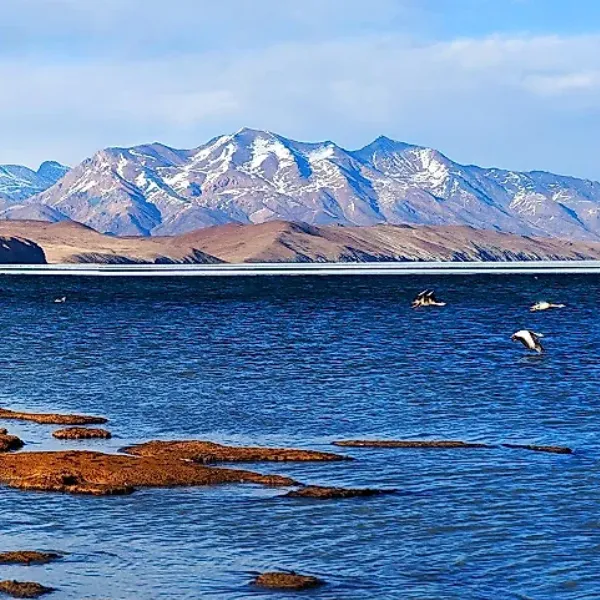
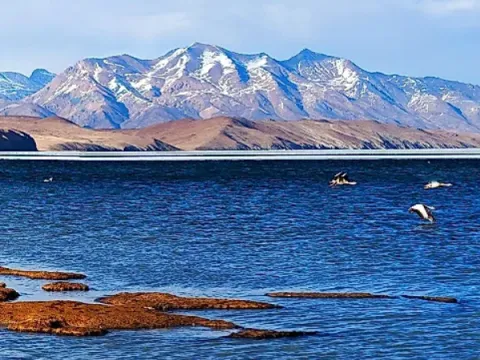
A picturesque scene of Mansarovar Lake, surrounded by snow-covered mountains in the Tibetan plateau.
July brings slightly warmer temperatures and greener scenery, particularly along the Nepal section of the journey.
Occasional rainfall may occur in Nepal, while Tibet generally remains dry.
Weather
Advantages
Things to Consider
Road conditions in Nepal may occasionally be affected by monsoon rains, so flexible travel plans are beneficial.
Best for: Travelers seeking lush scenery and warmer weather.
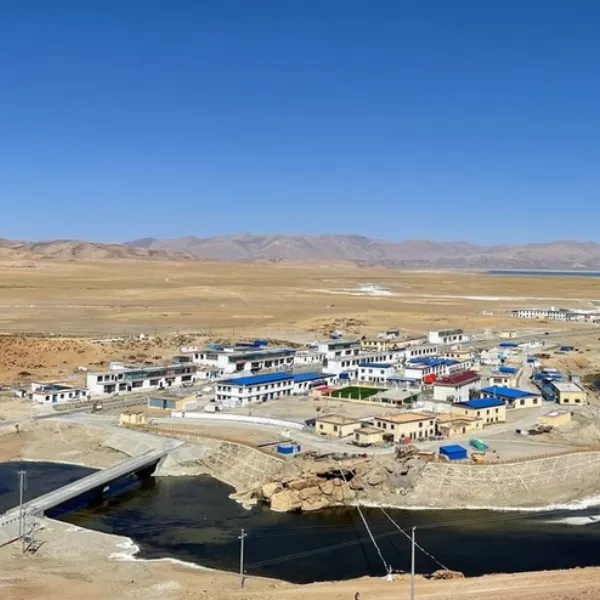
Bird’s-eye view of Mansarovar, the gateway settlement for Mount Kailash pilgrims on the Tibetan plateau.
August continues to offer favorable travel conditions, especially in Tibet.
Temperatures remain comfortable, and the pilgrimage routes are fully operational.
Weather
Advantages
Things to Consider
Some rainfall is still possible on the Nepal side of the route.
Best for: Pilgrims looking for a balance between weather and crowd levels.
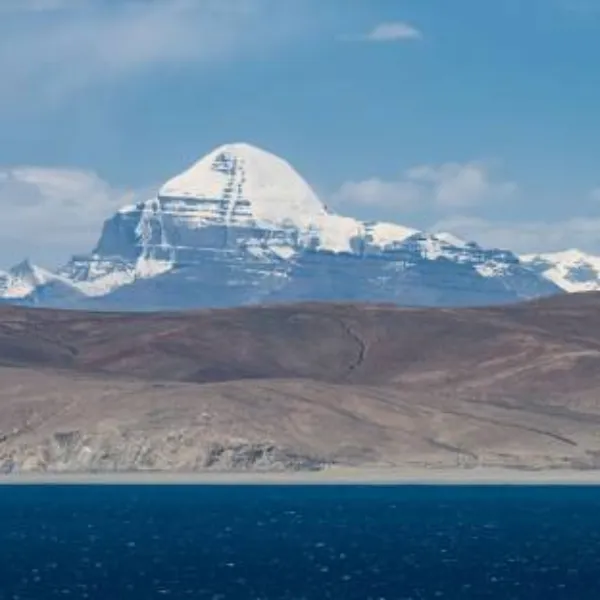
Mount Kailash towers above the sacred Lake Mansarovar, a revered pilgrimage site in Tibet known for its spiritual significance. Photo source: public domain.
September is another excellent month for Kailash Mansarovar Yatra.
As the monsoon season ends, the skies become exceptionally clear, offering spectacular views of Mount Kailash and Lake Mansarovar.
Weather
Advantages
Things to Consider
Temperatures begin to drop, especially during the night, so warm clothing is essential.
Best for: Photographers, spiritual seekers, and travelers who prefer quieter journeys
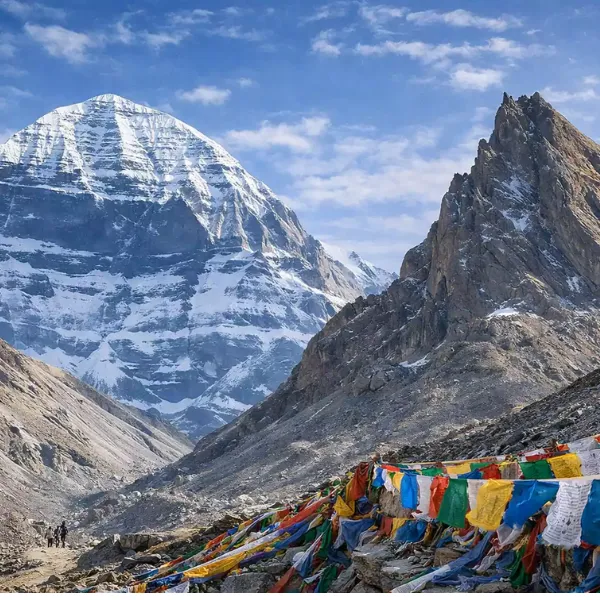
Mount Kailash rises majestically behind Nandi Parvat, a sacred companion peak believed to guard the holy mountain, along the revered Kailash parikrama route.
Although the pilgrimage season offers the best conditions, weather in the Himalayas can change rapidly.
Travelers should be prepared for:
Packing layered clothing and waterproof gear is essential regardless of your travel month.
The three-day Kailash Parikrama is most enjoyable when weather conditions are stable.
Good weather provides:
June and September are often considered the best months for completing the Parikrama.
When selecting your departure for Kailash Mansarovar Yatra 2027, consider:
Booking several months in advance increases your chances of securing your preferred travel dates.
What is the best month for Kailash Mansarovar Yatra in 2027?
June and September are generally regarded as the best months due to stable weather, comfortable temperatures, and clear mountain views.
Can I travel during winter?
No. Heavy snowfall, freezing temperatures, and road closures make winter travel to Kailash Mansarovar extremely difficult.
Is July safe despite the monsoon?
Yes. While Nepal may experience occasional rainfall, the Tibetan Plateau receives comparatively little rain, and tours continue to operate with appropriate planning.
Which month has the fewest crowds?
May and September usually have fewer pilgrims than the peak summer months.
When should I book my Yatra?
It is advisable to book at least three to six months before departure, especially if you plan to travel in June or during major pilgrimage periods.
The best time for Kailash Mansarovar Yatra 2027 depends on your travel preferences, but June and September consistently offer the most favorable combination of weather, visibility, and trekking conditions.
Whether you’re seeking spiritual fulfillment, breathtaking Himalayan scenery, or a once-in-a-lifetime adventure, choosing the right season will make your pilgrimage safer, more comfortable, and more memorable.
Start planning early, prepare for high-altitude travel, and book with a trusted tour operator to ensure a smooth and rewarding Kailash Mansarovar Yatra in 2027.