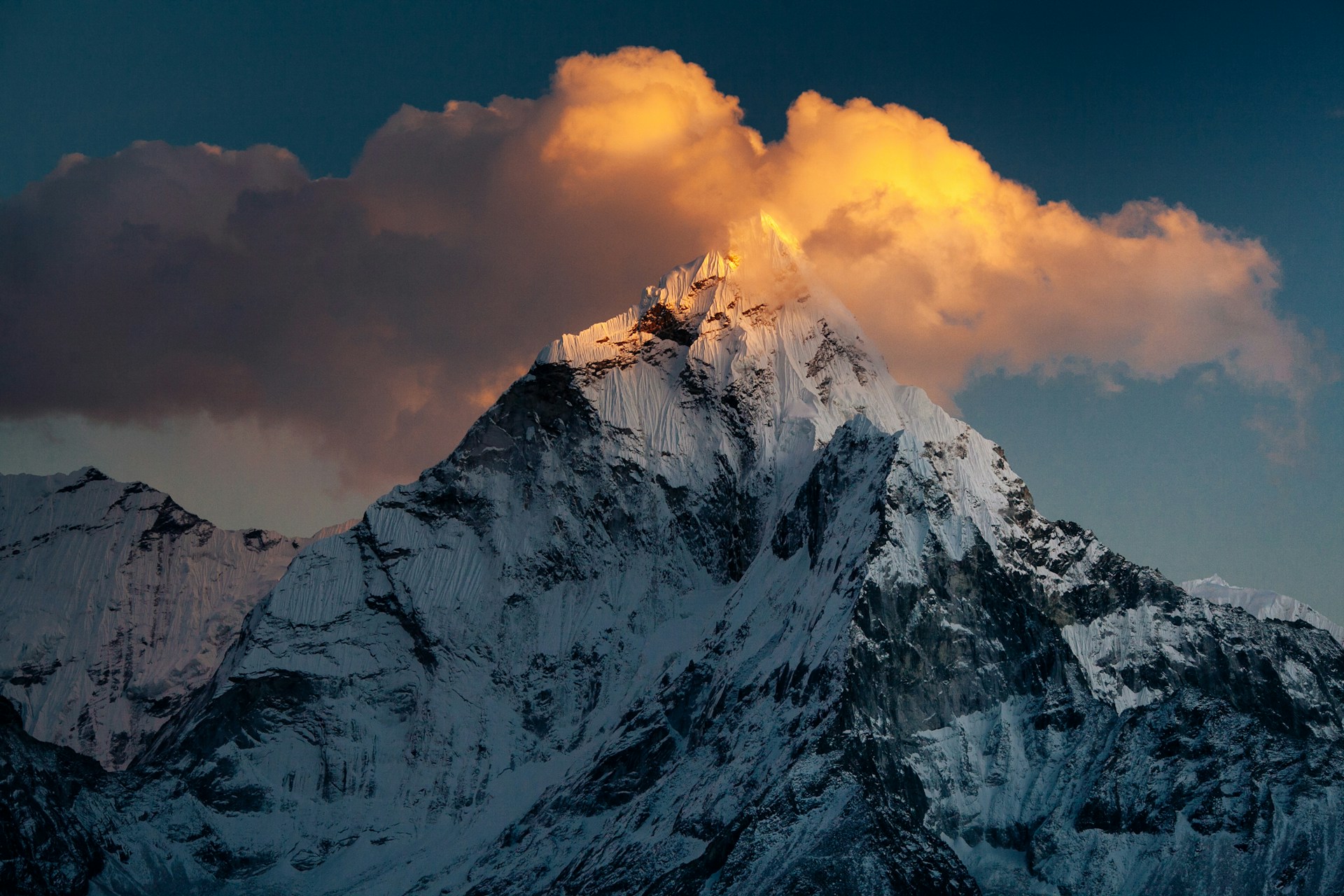
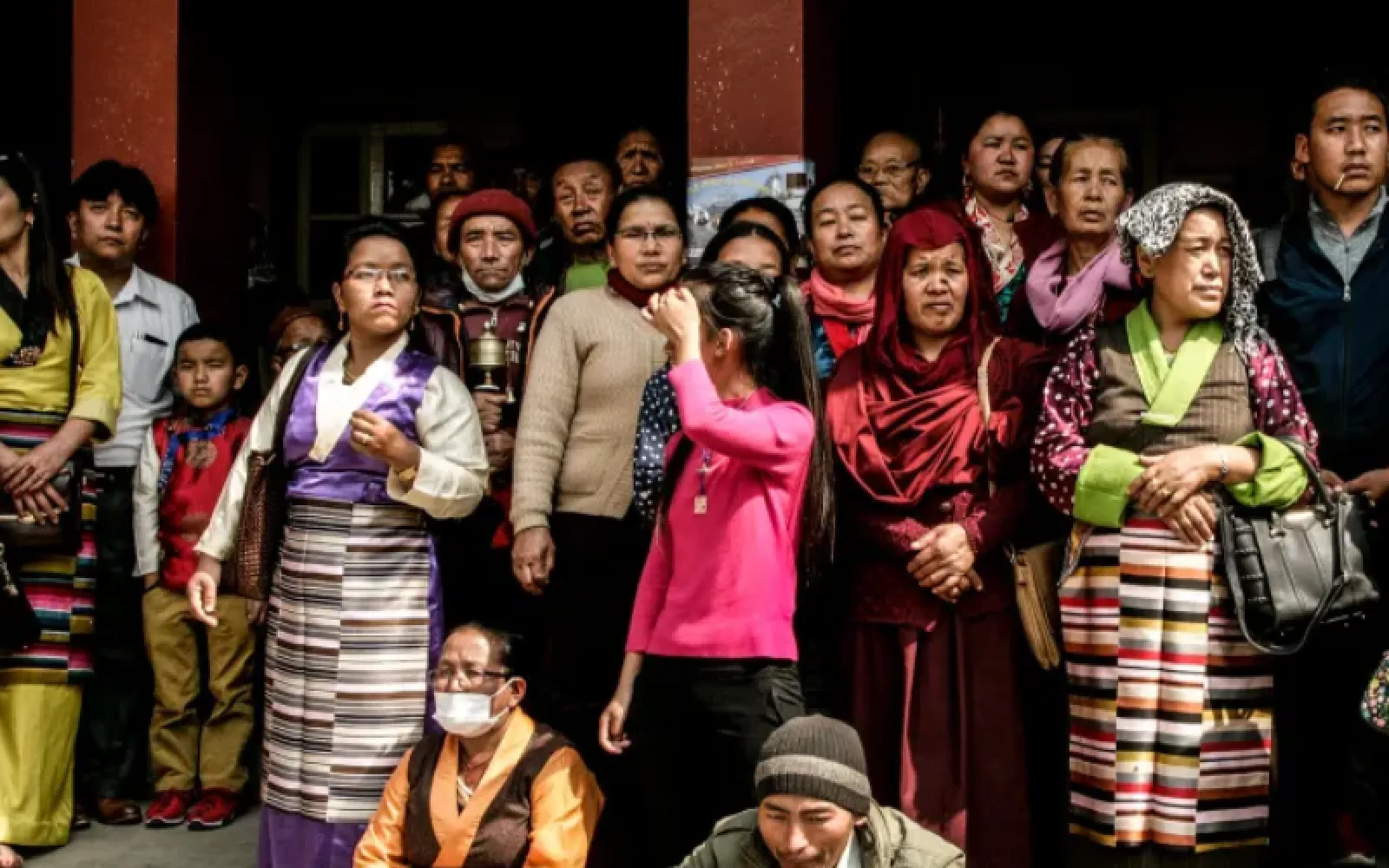
The Everest region is not only home to the world’s highest mountain but also the homeland of the legendary Sherpa people. Known worldwide for their mountaineering skills, resilience, hospitality, and spiritual connection to the Himalayas, Sherpas are the heart and soul of the Khumbu region.
For trekkers and climbers visiting Everest Base Camp, understanding Sherpa culture and communities transforms the journey into more than a mountain adventure—it becomes a deep cultural experience in the high Himalayas of Nepal.
The Sherpas are an indigenous ethnic group living primarily in the Everest region of northeastern Nepal. The word “Sherpa” comes from the Tibetan language:
Together, Sherpa means “people from the east.”
Sherpa ancestors migrated from eastern Tibet centuries ago and settled in the Khumbu valleys beneath Mount Everest. Today, they live in mountain villages such as Namche Bazaar, Khumjung, Kunde, Pangboche, Thame, and Tengboche. These communities preserve ancient traditions while adapting to the demands of modern tourism and mountaineering.
A Sherpa mountaineer carrying expedition equipment across a glacier in the Himalayas.
Sherpa communities are built around strong family ties, Buddhist values, and cooperation. Life in the Himalayas is challenging due to high altitude, cold temperatures, and remote geography, yet Sherpa villages have thrived for generations.
Traditional Sherpa livelihoods include:
Today, tourism is the backbone of many Sherpa communities, with families running lodges, guiding treks, and supporting climbing expeditions.
Despite modernization, Sherpas continue to maintain their unique cultural identity and mountain traditions.
Sherpa culture is deeply influenced by Tibetan Buddhism. Spirituality shapes daily life, social customs, festivals, and relationships with nature.
The mountains themselves are considered sacred. Many Sherpas believe Everest, known locally as Chomolungma (“Goddess Mother of the World”), is a holy mountain deserving respect and prayer.
Buddhist monasteries serve as the spiritual centers of Sherpa communities. Notable monasteries include Tengboche, Pangboche, Khumjung, and Thame. Trekkers often hear monks chanting prayers as colorful prayer flags flutter across the Himalayan valleys.
Colorful prayer flags symbolize peace, compassion, and blessings carried by the wind, while mani walls carved with Buddhist prayers line many trekking trails. One of the most common prayers seen throughout the Everest region is:
Sherpa communities celebrate vibrant Buddhist festivals throughout the year, with Mani Rimdu being the most famous. Held at Tengboche Monastery, the festival features mask dances, religious rituals, prayer ceremonies, and community gatherings. It reflects the spiritual richness of Sherpa culture and attracts visitors from around the world.
Sherpa life revolves around family, community, religion, and survival in harsh mountain conditions.
Traditional Sherpa homes are made of stone with wooden interiors designed to withstand Himalayan winters. Inside many homes, visitors will find:
Hospitality is central to Sherpa culture. Guests are warmly welcomed with tea, food, and kindness.
Sherpa food is nutritious and adapted for high-altitude living.
Popular Sherpa dishes include:
Yak products play an important role in Sherpa diets and mountain economies.
Sherpas are internationally respected for their mountaineering expertise and contributions to Himalayan exploration.
For over a century, Sherpa climbers and guides have supported expeditions across the Himalayas, especially on Mount Everest.
One of the most iconic figures in mountaineering history, Tenzing Norgay Sherpa, reached the summit of Mount Everest with Sir Edmund Hillary in 1953.
This historic achievement introduced Sherpa mountaineering skills to the world.
Modern Sherpa climbers continue to break records and inspire the mountaineering world. Famous figures such as Kami Rita Sherpa, Apa Sherpa, and Mingma Sherpa are celebrated for their remarkable achievements, demonstrating extraordinary endurance, courage, and deep mountain knowledge.
Sherpas are the backbone of Himalayan expeditions. Their responsibilities often include:
Without Sherpa expertise, many Everest expeditions would not be possible.
Their deep understanding of weather, terrain, altitude, and mountain safety is unmatched.
Tourism and globalization have brought significant changes to Sherpa society.
Positive developments include:
However, challenges remain:
Sherpa communities continue balancing tradition with modern development.
Trekkers wanting to experience authentic Sherpa life should visit:
These villages offer opportunities to:
Sherpa culture is one of the most remarkable cultural treasures of the Himalayas. Beyond their legendary mountaineering achievements, Sherpa communities represent resilience, spirituality, hospitality, and deep respect for nature.
For travelers trekking in the Everest region, learning about Sherpa traditions and communities creates a richer and more meaningful Himalayan experience.
The story of Everest is not only about mountains—it is also the story of the Sherpa people who have called these sacred valleys home for generations.