Rising dramatically beside the world’s highest peak, Mount Everest, Mount Lhotse stands as the fourth-highest mountain on Earth, reaching an elevation of 8,516 meters (27,940 feet). Often overshadowed by its famous neighbor, Lhotse is a formidable peak in its own right—steep, elegant, and deeply woven into the cultural and spiritual fabric of the Himalayas. Known as the “South Peak” in Tibetan, Mount Lhotse represents not only a mountaineering challenge but also a symbol of resilience, reverence, and Himalayan heritage.
The name Lhotse comes from Tibetan: “Lho” meaning south and “Tse” meaning peak. Despite its towering presence, Lhotse remained largely unexplored for much of modern history due to its close proximity to Everest and its sheer, technical faces—particularly the infamous Lhotse Face, a near-vertical wall of blue ice.
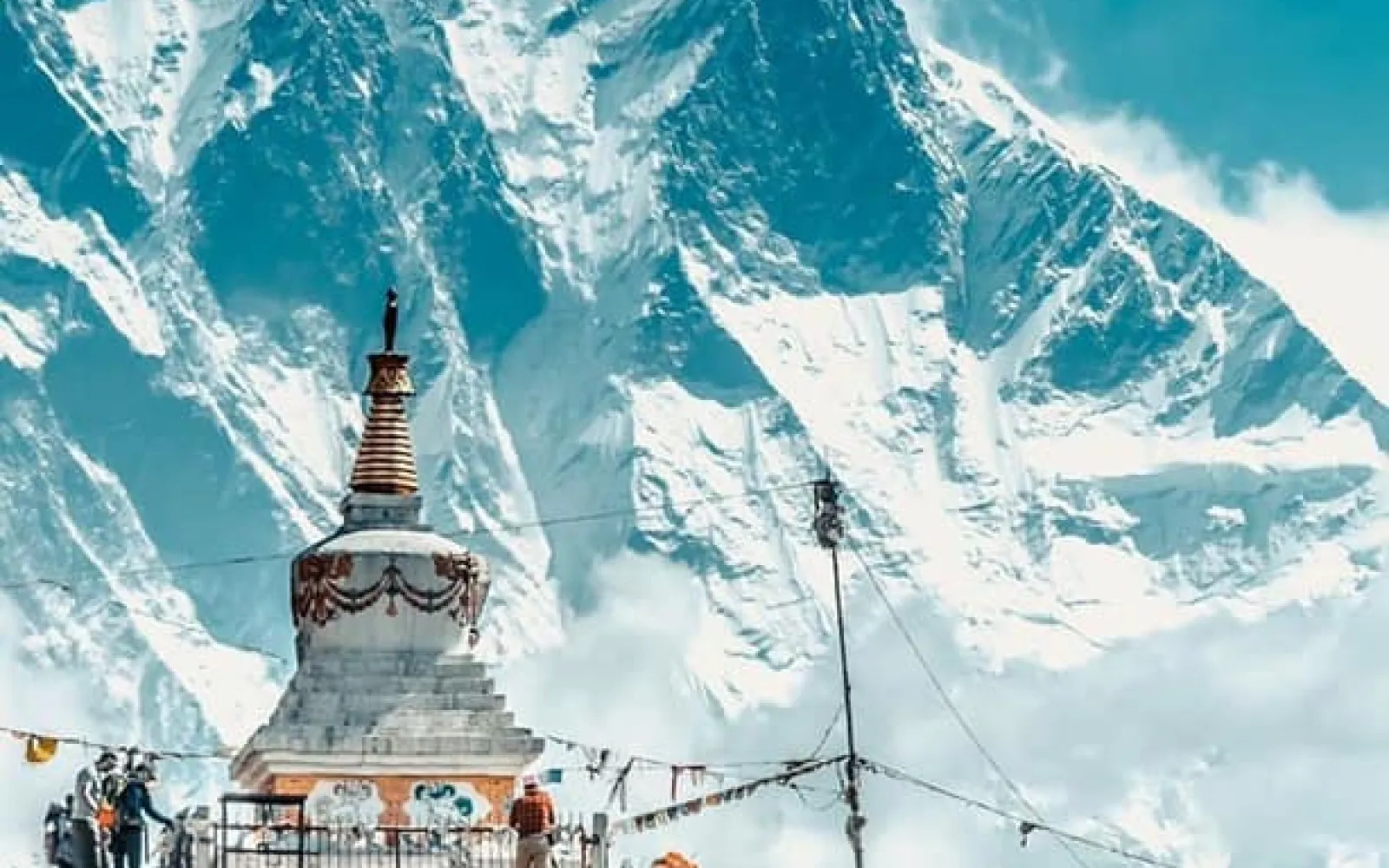
Easily visible from iconic trekking routes such as the Everest Base Camp Trek, Gokyo Ri, and the Everest Three Passes Trek, Lhotse captivates trekkers with its sheer scale while presenting climbers with one of the most technical and demanding 8,000-meter ascents in the Himalayas.
Early Expedition Attempts:
Early Everest reconnaissance expeditions in the 1920s and 1930s passed near Lhotse but did not attempt a direct ascent. The mountain’s steep terrain discouraged climbers, and Lhotse was long considered unclimbable by standard routes.
After the successful expedition of Everest in 1953, a Swiss expedition made the first serious attempt in 1955, reaching high camps but failing to summit due to extreme weather and technical challenges.
Lhotse was first successfully climbed on May 18, 1956, by Swiss climbers Ernst Reiss and Fritz Luchsinger via the South Col route. Their ascent proved that Lhotse was a climbable but highly technical Himalayan giant.
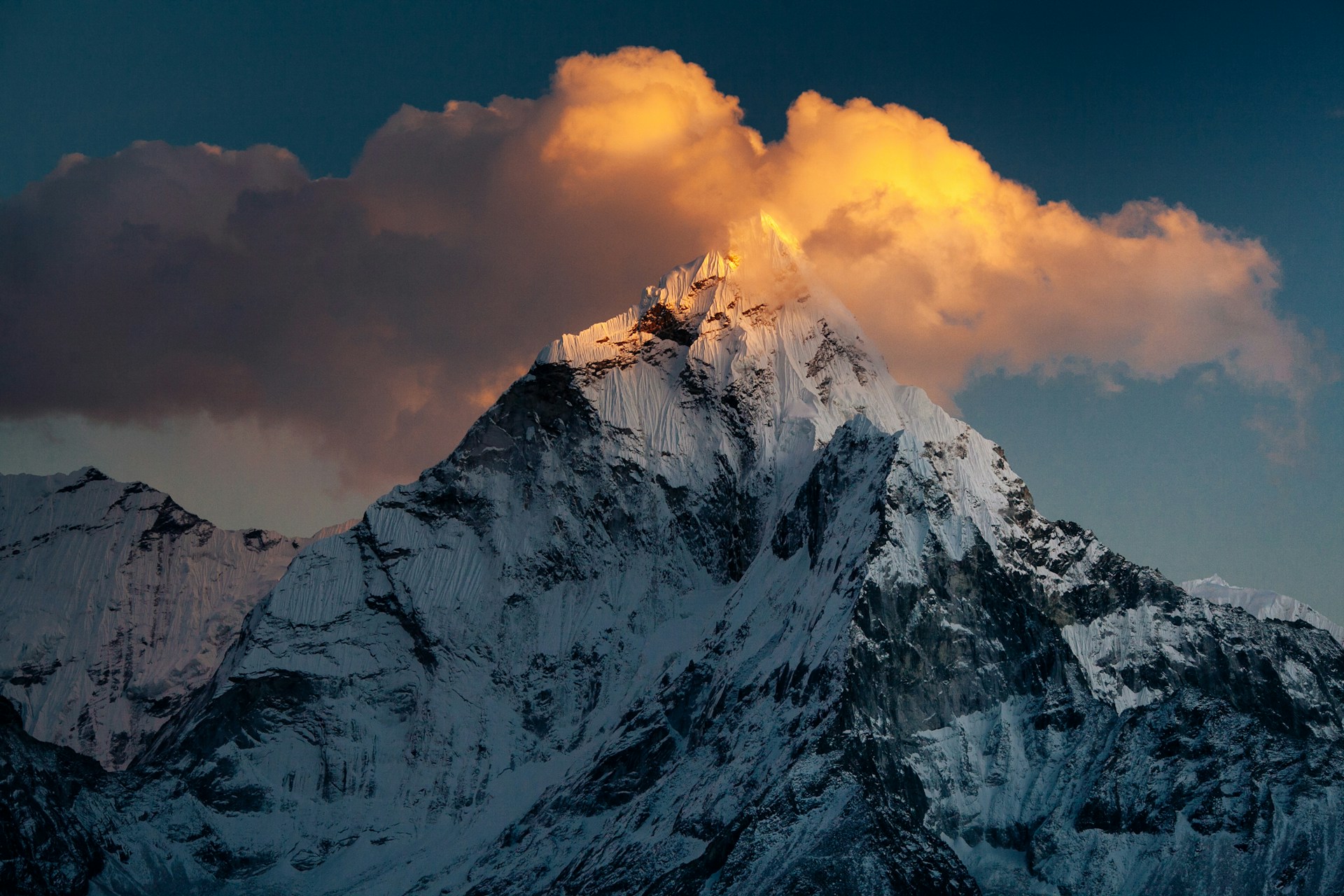
A dramatic snow-dusted Himalayan mountain seen from Dingboche, Nepal, in March, with clear skies highlighting its steep ridges and rugged rock faces.
Geographic Location
Mount Lhotse lies in the Mahalangur Himal range, straddling the border between Nepal and Tibet (China). It is connected to Everest via the South Col, sharing portions of the climbing route up to Camp 3. It lies immediately south of Mount Everest and east of Nuptse, forming one of the most dramatic mountain clusters on Earth.
Climate Conditions
Lhotse experiences extreme alpine weather, typical of the high Himalayas:
The most favorable climbing window is late April to May, just before the monsoon arrives.
Key Geographic Features
Himalayan Cultural Importance
For Himalayan communities, mountains are not merely physical landscapes but sacred entities. Lhotse, like Everest (Chomolungma), is revered as the dwelling place of mountain deities. Climbing is traditionally approached with humility, prayer, and ritual.
Sherpa Culture and Spiritual Beliefs
The Sherpa people, indigenous to the Khumbu region, play a vital role in expeditions and cultural preservation. Their Buddhist beliefs emphasize harmony with nature:
Mountains like Lhotse are seen as living beings that must be respected—not conquered.
Mountaineering and Religious Connections
Many climbers acknowledge the spiritual weight of Lhotse. Traditional offerings, such as rice, incense, and prayer flags, are placed at base camp. Some climbers refuse to step over climbing gear or ice axes laid during rituals, reflecting deep respect for Sherpa customs.
Traditional Practices and Local Life
Sherpa life blends agriculture, yak herding, trade, and mountaineering. Seasonal climbing expeditions have become part of a modern tradition, passed down through generations.
Economic and Cultural Impact
Mount Lhotse contributes significantly to the local economy:
However, increased climbing has also raised concerns about environmental degradation, leading to conservation efforts and sustainable tourism initiatives.
Inspiration and Symbolism
Though less famous than Everest, Mount Lhotse symbolizes:
For climbers, Lhotse represents one of the most technical 8,000-meter challenges. For local communities, it remains a sacred guardian of the land. For the world, it stands as a reminder that greatness does not always demand the spotlight.
Everest Base Camp Trek
Gokyo Lakes & Gokyo Ri Trek
Everest Three Passes Trek
Lhotse Base Camp & Combined Treks
Mount Lhotse is more than a towering Himalayan peak—it is a cultural icon, spiritual presence, and mountaineering legend. Its history, geography, and deep connection to Sherpa traditions make it a mountain of profound significance. Whether viewed through the lens of adventure, culture, or spirituality, Lhotse continues to inspire awe and respect across generations.