Mansarovar is not just a lake—it is a symbol of purity, divinity, and inner transformation. Located in the remote Tibetan Plateau near Mount Kailash, this lake sits at an altitude of around 4,590 meters, making it one of the highest freshwater lakes in the world.
Its crystal-clear waters reflect the surrounding snow-covered peaks like a mirror, creating a surreal and almost mystical landscape. For centuries, pilgrims undertaking the Kailash Mansarovar journey have described it as a place where nature and spirituality merge.
The Kailash Mansarovar region holds sacred value across multiple religions:
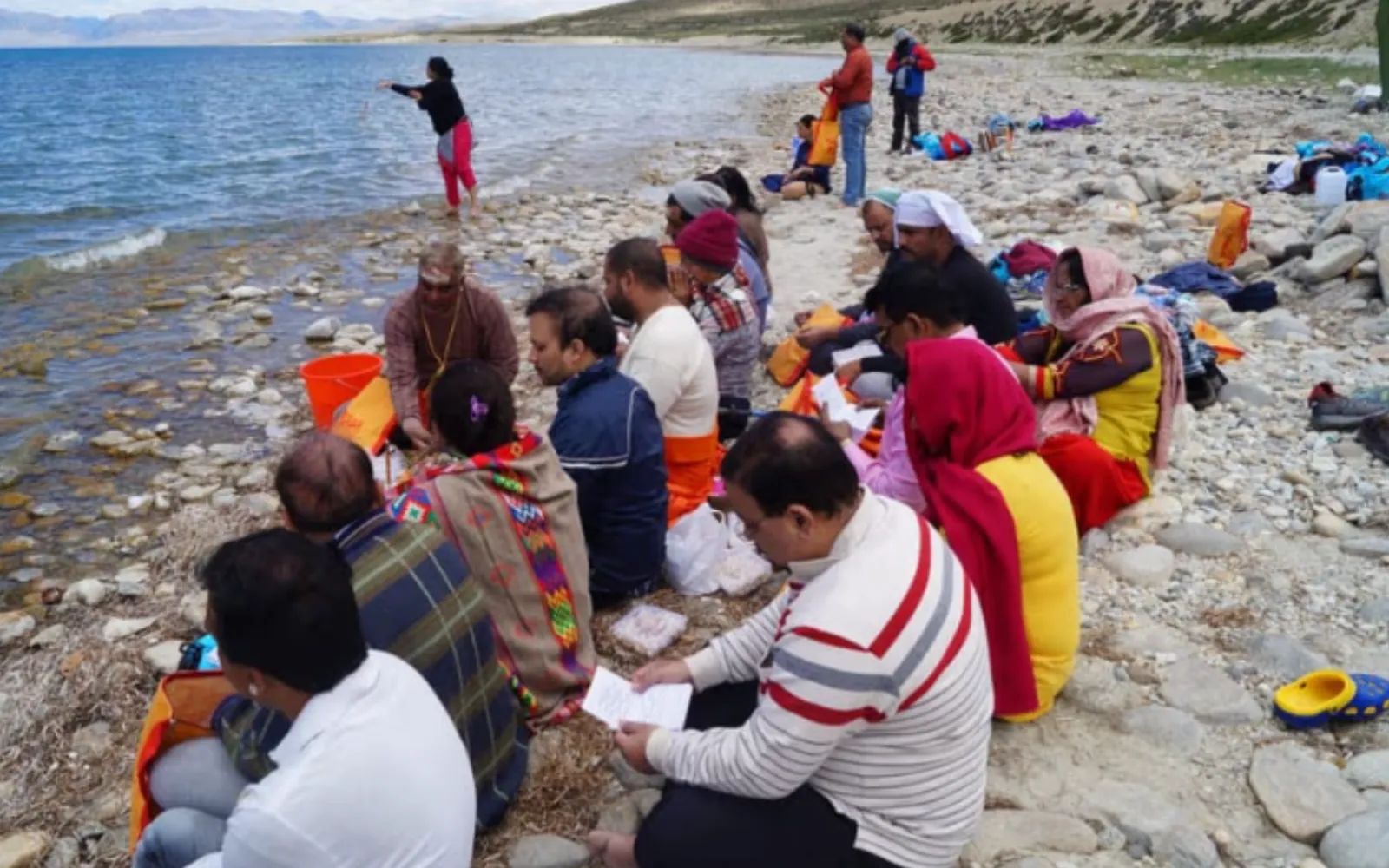
Pilgrims believe that bathing in mansarovar or even touching its water cleanses sins accumulated over lifetimes.
Mansarovar is also believed to be the source of major rivers like the Brahmaputra, Sutlej and Karnali—making it geographically as important as it is spiritually. The lake lies approximately 450 km from Saga and around 590 km from Kerung (Gyirong), making these two the primary overland access points for the Kailash Mansarovar Journey. From Mansarovar, the distance to Darchen—the base camp for Mount Kailash—is about 40 km, which is usually covered by road before beginning the sacred kora (parikrama).
One of the most fascinating aspects of mansarovar is its changing colors. Depending on sunlight, the lake shifts from deep blue to turquoise and even green.
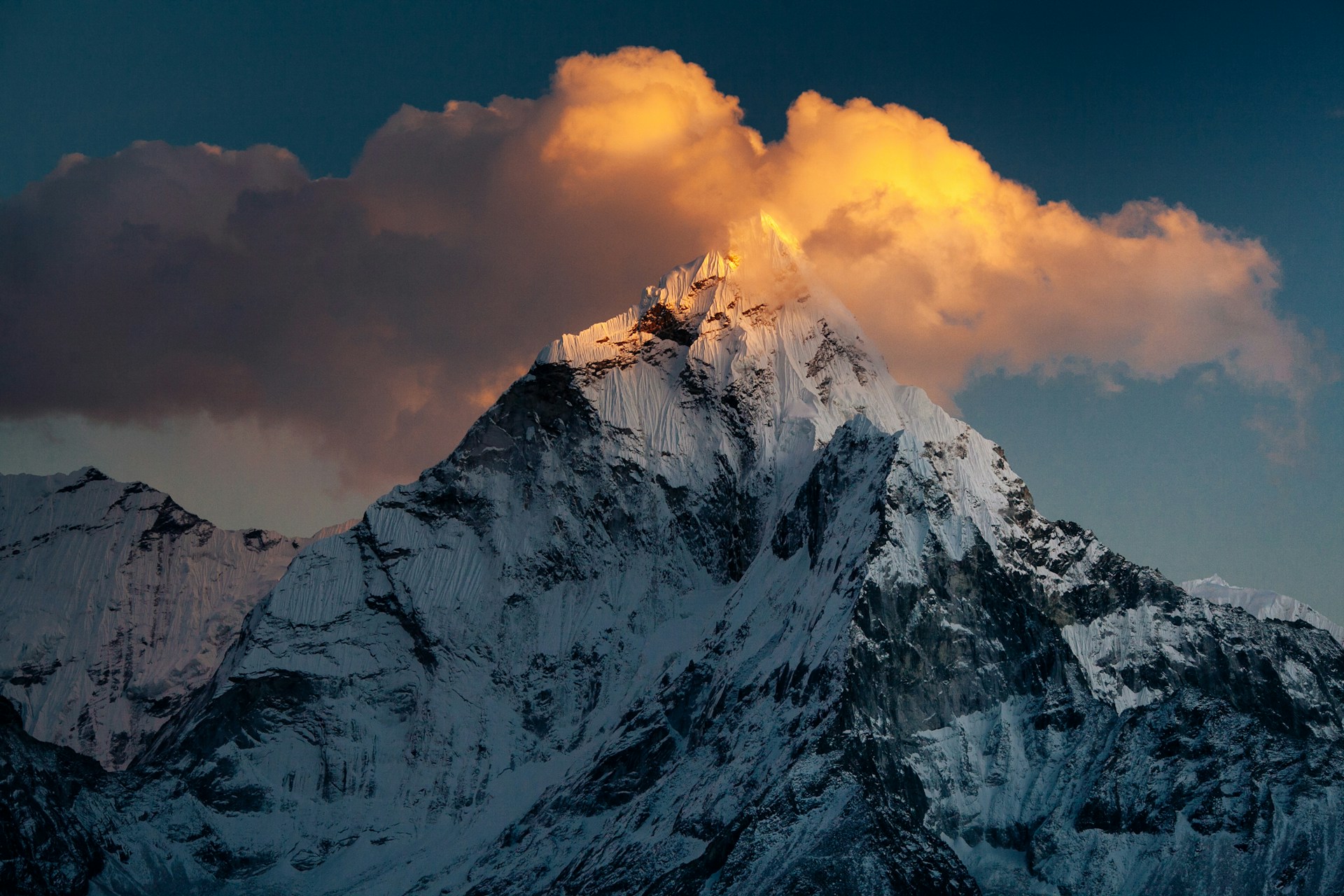
At sunrise and sunset, the reflections of Mount Kailash create a breathtaking view that many travelers consider life-changing.
Wildlife such as Tibetan yaks, antelopes, and wild donkeys can often be seen around the lake, adding to its raw natural charm.
The Kailash Mansarovar Yatra is one of the most revered pilgrimages in the world. It typically includes:
Pilgrims believe that completing the kora brings spiritual liberation and fulfillment of wishes.
Several ancient monasteries surround mansarovar, enhancing its spiritual aura:
These monasteries serve as rest stops and spiritual centers during the kailash mansarovar journey.
Mansarovar is deeply rooted in mythology created from the mind (manas) of Lord Brahma
Ancient poet Kalidasa described its waters as “pure like pearls” that wash away sins of lifetimes.
The best time to visit mansarovar is from May to September:
A major highlight is the Saga Dawa Festival, which celebrates Buddha’s life events.
You can reach mansarovar through multiple routes:
Via Nepal
Via Tibet
Overland Journey
Preparation is key for kailash mansarovar:
Accommodation ranges from basic guesthouses to hotels in Darchen, the base town near mansarovar.
Mansarovar is more than a destination—it is a journey into spiritual depth. Whether you seek divine blessings, adventure, or peace, the kailash mansarovar experience offers something truly transformative.
From its sacred waters to the towering presence of Mount Kailash, every moment here feels timeless.
If you are planning this journey, approach it with preparation, respect, and an open mind—the rewards are unforgettable.